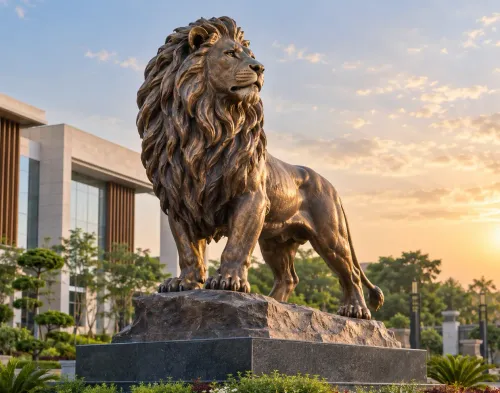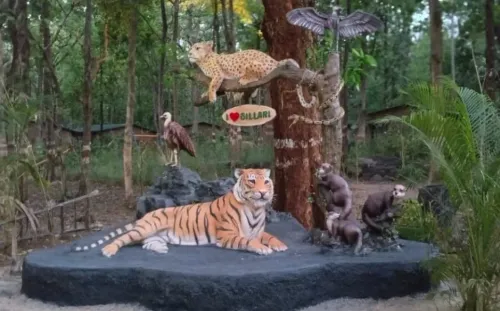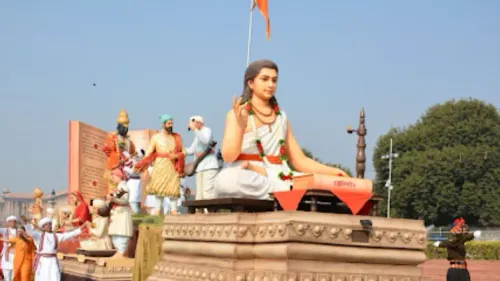
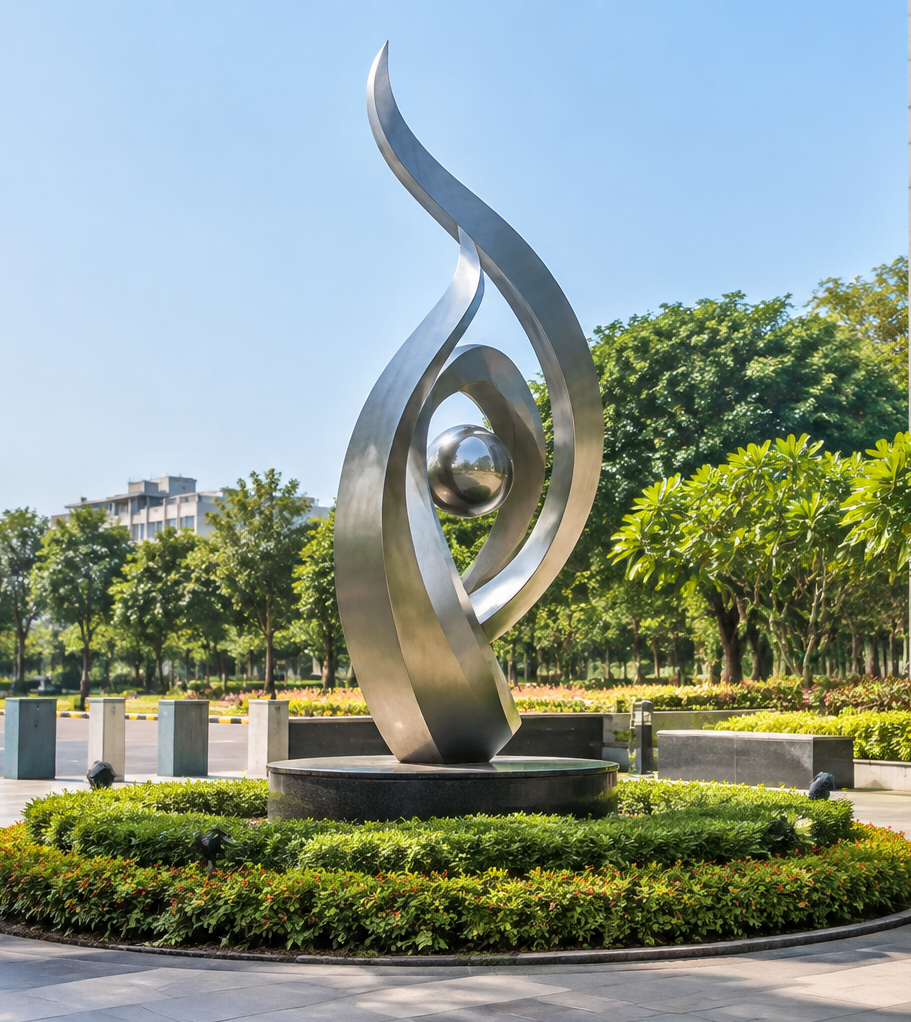
Installing an Artistic Sculpture is often one of the final stages of a landscape or beautification project, but the planning should begin much earlier. From selecting the right location to ensuring structural safety, every decision affects how the sculpture performs and how people experience the space.
Whether the installation is planned for a commercial complex, educational institution, government project, or public park in Nagpur, careful preparation helps avoid costly modifications later.
Every Location Has Different Requirements
No two sculpture projects are identical. A sculpture placed in a busy traffic circle requires different planning than one located inside a corporate campus or public garden.
Project planners generally evaluate:
- Visitor movement
- Available space
- Viewing angles
- Environmental conditions
- Lighting
- Accessibility
- Maintenance access
These factors influence both design and installation.
Material Selection Should Match the Purpose
Choosing the right material improves durability and reduces long-term maintenance.
Common options include:
- FRP for lightweight designs
- Ferro cement for large installations
- Metal for contemporary themes
- Stone for timeless appeal
- Reinforced concrete for public infrastructure
Material selection should always consider weather exposure, project scale, and expected lifespan.
Common Planning Mistakes to Avoid
Several issues can affect the success of a sculpture project:
- Selecting an unsuitable location
- Ignoring foundation requirements
- Choosing materials based only on cost
- Overlooking maintenance access
- Poor lighting design
- Inadequate drainage around the installation
Addressing these concerns during planning reduces future maintenance challenges.
Questions to Ask Before Approving the Design
Before fabrication begins, decision-makers should confirm:
- Does the sculpture suit the surroundings?
- Will visitors have clear visibility?
- Are the materials appropriate for outdoor use?
- Has structural stability been verified?
- Is future maintenance practical?
- Does the installation support the project's purpose?
These considerations help create installations that remain attractive and functional.
Creating a Cohesive Outdoor Environment
Artistic sculptures often deliver the best results when combined with complementary features such as:
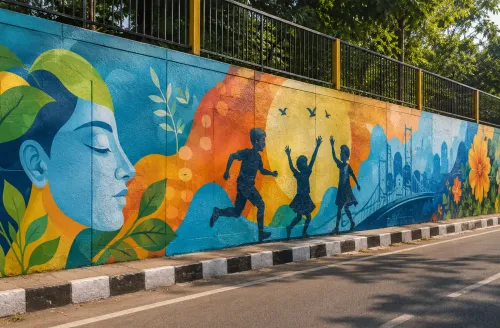
- Customized wall murals
- Decorative landscaping
- Public seating
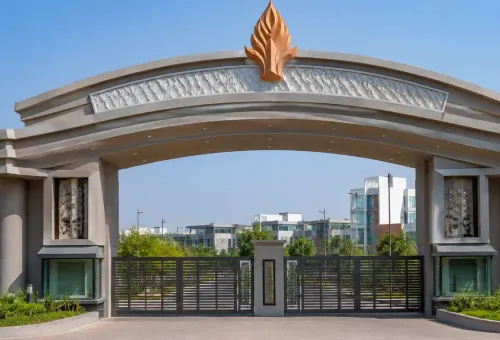
- Entrance gates
- Selfie points
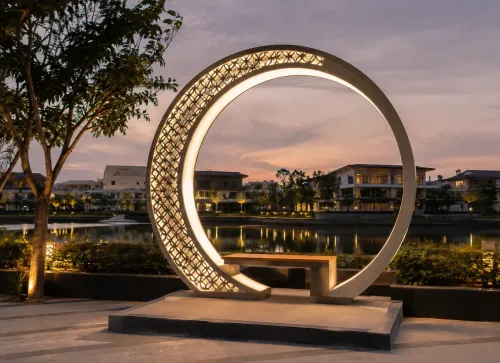
- Lighting installations
Together, these elements enhance both aesthetics and usability.
Why Professional Expertise Matters
Designing and installing sculptures requires collaboration between artists, designers, engineers, and fabrication specialists. Precision at every stage contributes to a durable and visually balanced final installation.
Organizations across Nagpur frequently work with SHUBH AD'S Pvt Ltd for customized artistic sculpture projects because the company offers integrated planning, fabrication, and installation solutions. Professional execution helps transform ordinary public and commercial spaces into landmarks that remain meaningful and visually engaging for years to come.
Keywords